
What to Expect During a Professional Mold Removal Service Project
Mold can affect a property before it becomes easy to see. It may appear after a plumbing leak, roof issue, appliance failure, flood, or long stretch of indoor humidity. By the time stains, odors, or damp materials are noticeable, the problem may already need a structured response. A professional mold removal service helps property owners move from uncertainty to a clear plan that addresses visible growth, moisture concerns, damaged materials, and safer cleanup procedures.
Knowing what to expect can make the process feel more manageable. Instead of guessing which materials can be cleaned or what areas may be affected, technicians evaluate the property, explain the scope of work, set up containment, and use specialized equipment to reduce the chance of spreading mold during removal. Each project is different, but the overall goal is the same: identify the source, remove affected materials when needed, clean appropriate surfaces, and help restore the space with careful attention to safety and long-term prevention. It also gives property owners a better sense of which belongings may need attention and which areas can remain accessible during the project.
Evaluating the Property for Moisture and Mold Concerns
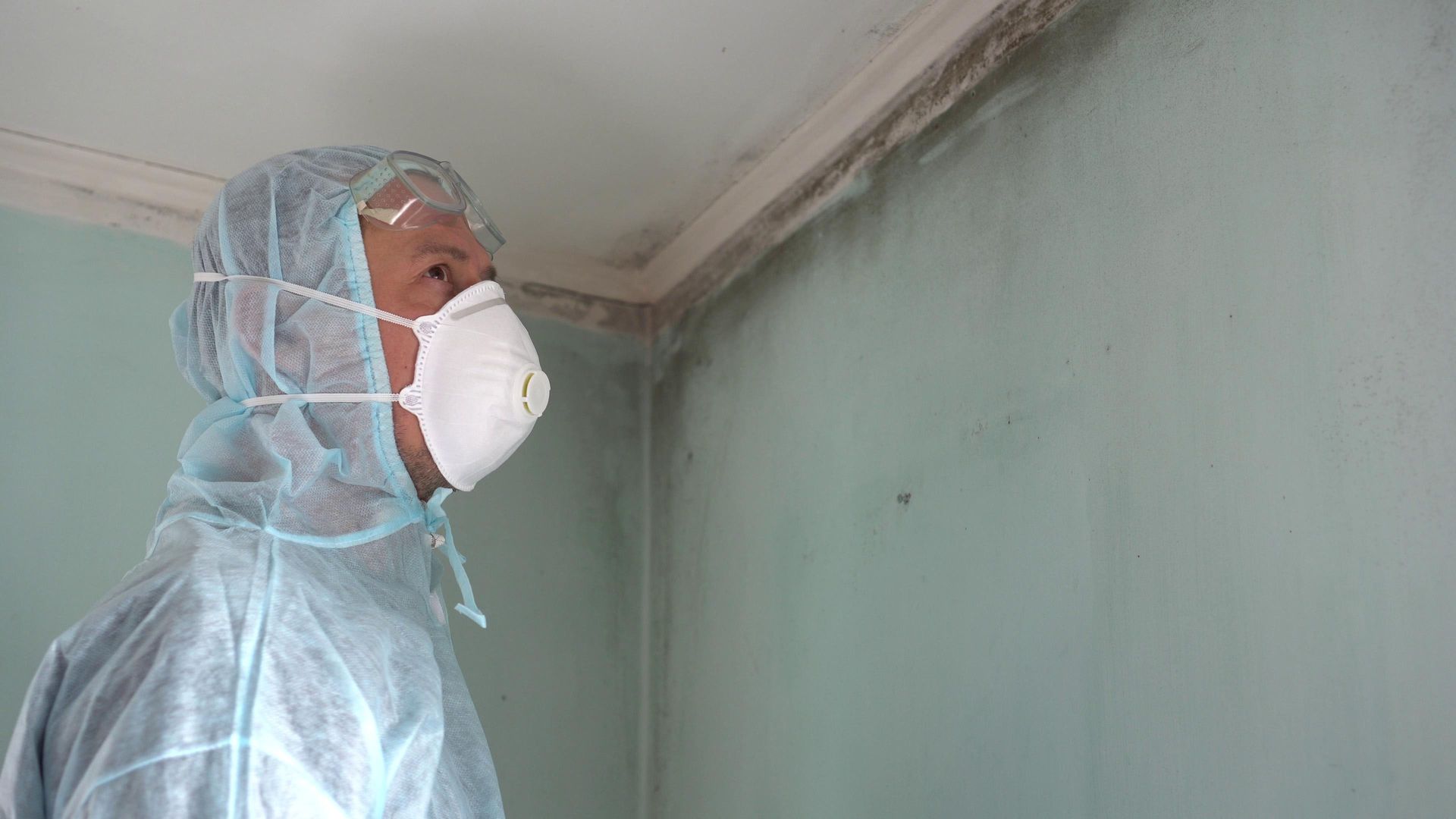
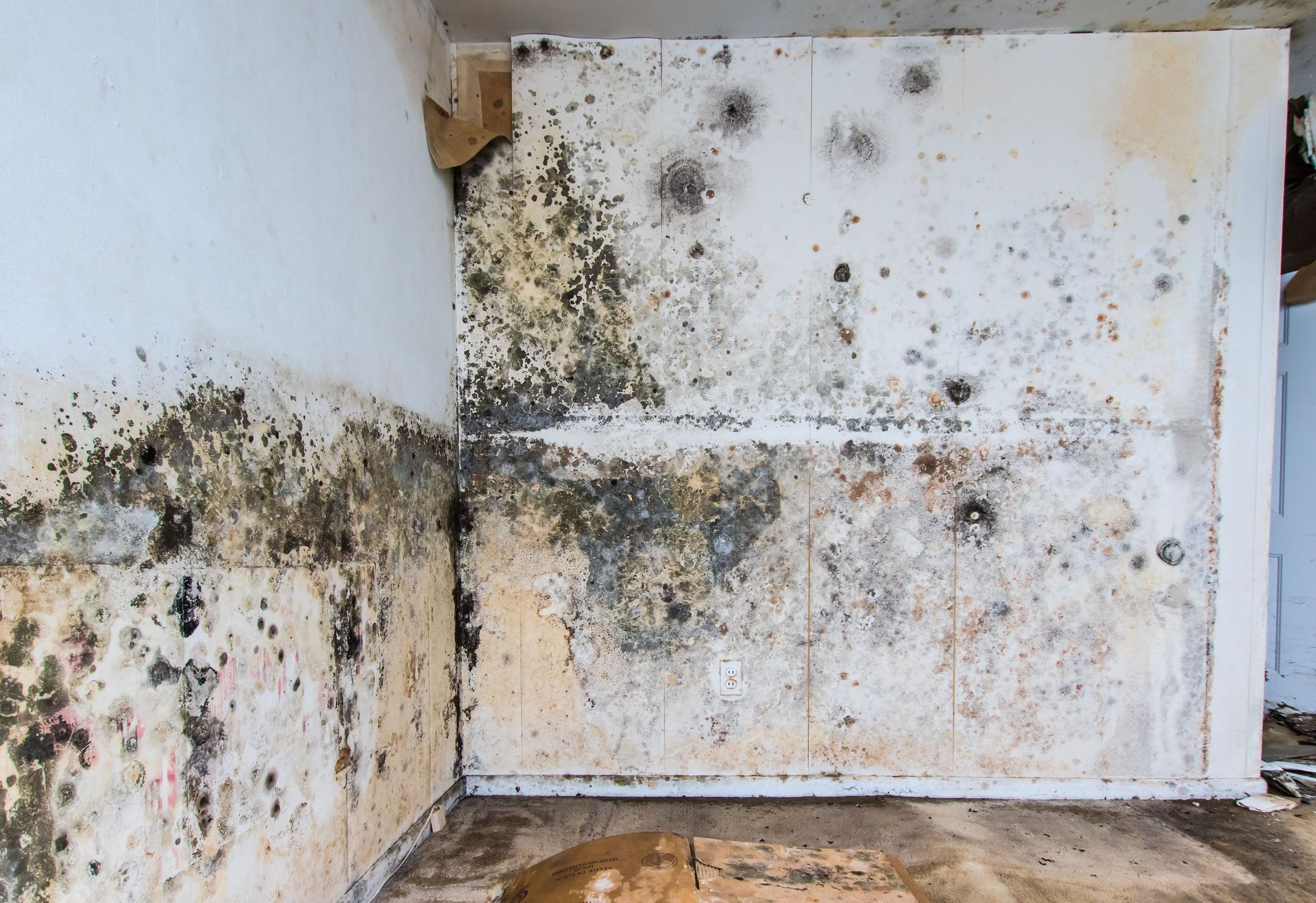
A mold removal service usually begins with an inspection of the affected area and nearby spaces. Technicians look for visible staining, musty odors, water damage, soft building materials, humidity issues, and signs that moisture may have traveled behind walls, under flooring, or into cabinets. This first step helps determine whether the project involves a small surface issue or a deeper moisture problem.
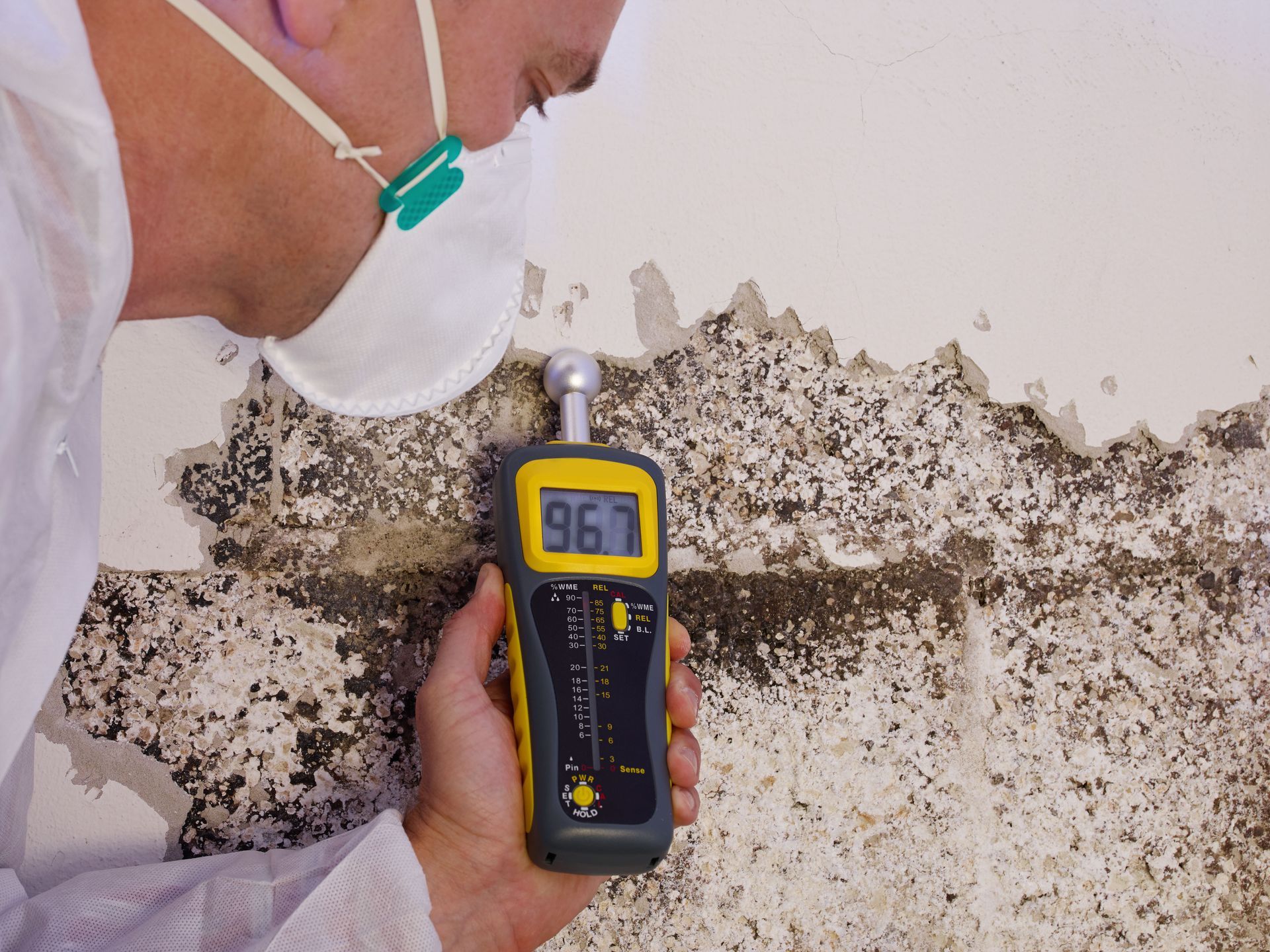
The inspection may also include moisture meters, thermal imaging, air movement review, and questions about recent leaks or flooding. Property owners can expect technicians to ask when the issue started, whether the area has been cleaned before, and whether occupants have noticed recurring odors or dampness. This information helps shape the plan for the mold removal service and reduces the risk of overlooking the condition that allowed mold to grow.
Explaining the Scope of Work and Project Timeline
After the inspection, the team should explain what needs to happen next. This may include moving belongings, setting up containment, removing porous materials, cleaning hard surfaces, using air filtration equipment, and drying affected areas. A clear scope helps property owners understand which rooms are involved, what the technicians will access, and whether the work can remain limited to one area.
Timelines vary based on the size of the affected space, the amount of moisture present, and the severity of contamination. According to HomeGuide, mold removal typically takes one to three days for small to medium projects, while larger or more severe cases may take up to seven days. That range is useful, but every mold removal service should still be planned around the property’s actual conditions, especially when hidden moisture or damaged materials are discovered during the work. The team should also explain what may change the timeline, such as additional moisture, inaccessible materials, delayed drying, or the need for added containment.
Preparing the Area for Safer Containment
Before removal begins, technicians prepare the workspace so mold spores and debris are less likely to move into clean areas. This may involve sealing doorways, covering vents, using plastic sheeting, and creating controlled access points. In some cases, the team may recommend that occupants avoid the work zone until the project is complete. They may also advise property owners to relocate fragile items, documents, clothing, or furniture that could interfere with setup.
Containment is especially important when mold is disturbed. Cutting drywall, pulling flooring, or removing insulation can release particles into the air. A professional mold removal service uses containment methods and air filtration equipment to help manage this risk. Preparation may also include protecting furniture, removing personal items, and coordinating disposal routes so contaminated materials do not pass through the property unnecessarily. These early steps can make the rest of the project more organized, especially when multiple rooms or shared spaces are involved. These measures also help the crew maintain a predictable workflow from setup
through cleanup.
Removing Damaged Materials With Care
Once the area is contained, technicians begin removing materials that cannot be safely cleaned. Porous items such as drywall, insulation, carpet, padding, ceiling tiles, and some wood products may need to be removed if mold has penetrated them. The goal is not simply to make the room look better, but to address the materials where growth has become embedded.
During this stage, the team should work methodically. A mold removal service may involve bagging debris, sealing waste, cleaning tools, and using negative air machines or HEPA filtration as appropriate. Property owners may hear equipment running for long periods because air movement and filtration are part of the cleanup environment. While this can feel disruptive, it supports a more controlled process and helps reduce unnecessary spread during demolition and removal. Technicians may also pause to reassess the area if they uncover additional water damage behind walls, under floors, or around fixtures.
Cleaning Surfaces and Improving Indoor Conditions
After damaged materials are removed, the remaining surfaces are cleaned using methods appropriate for the material and level of contamination. Nonporous surfaces may be wiped, scrubbed, or treated with cleaning products. Framing, subflooring, and other structural materials may require more detailed cleaning if they can remain in place. The team may also vacuum with HEPA equipment to capture fine particles from the work area. This cleaning phase helps prepare the space for drying, review, and eventual repair.
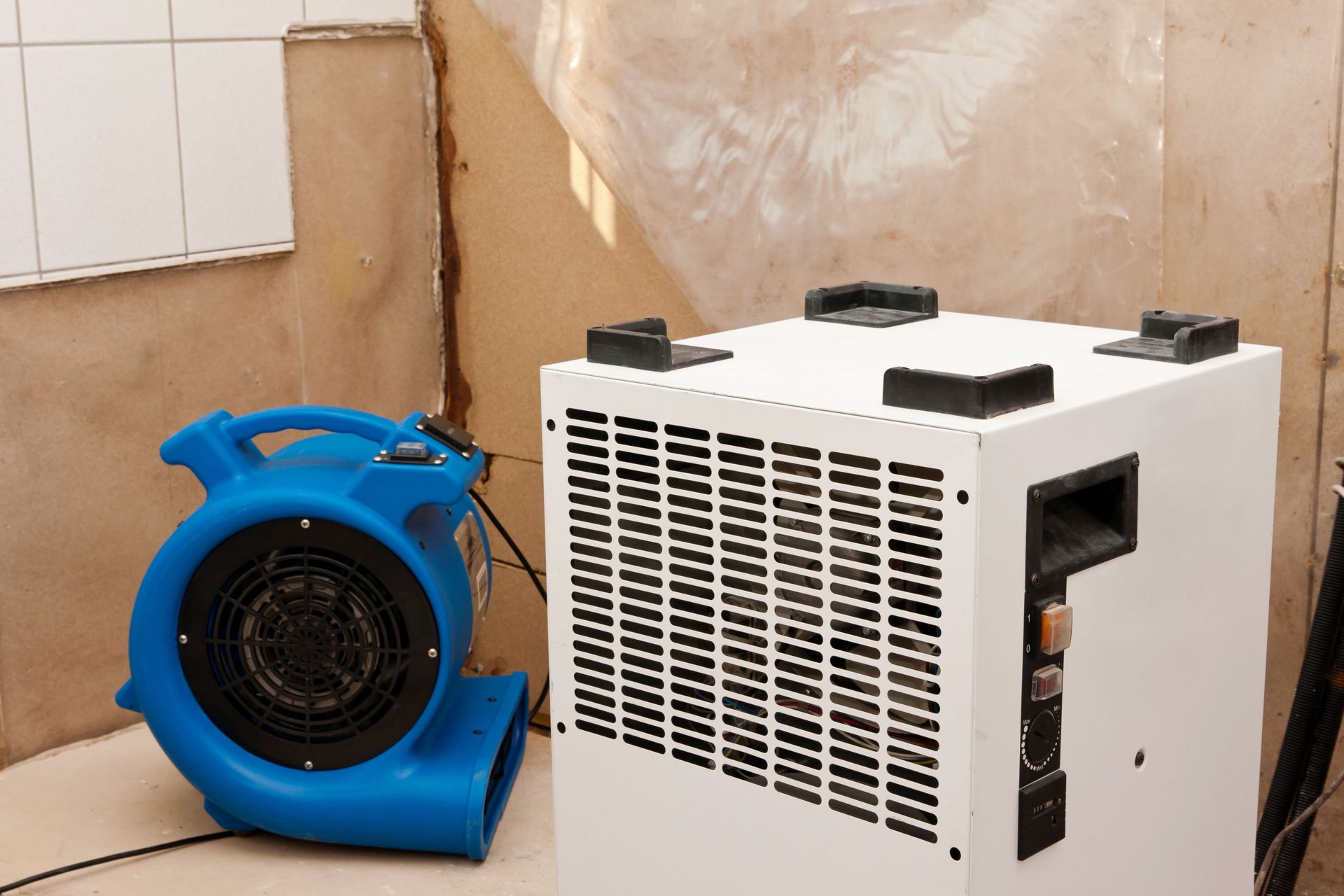
Drying is another important part of the project. Mold can return if moisture problems are not corrected, so technicians may use dehumidifiers, fans, or other drying equipment to reduce excess moisture. A mold removal service should also include practical recommendations for prevention, such as repairing leaks, improving ventilation, managing indoor humidity, or addressing drainage concerns outside the building. These steps help support better conditions after cleanup is complete. Property owners may also receive guidance on watching for future warning signs, including odors, condensation, staining, or recurring dampness.
Reviewing the Space Before Restoration Begins
Before reconstruction or repairs begin, the work area should be reviewed to confirm that removal and cleaning steps are complete. Depending on the project, this review may include a visual inspection, moisture readings, equipment checks, and a discussion of any remaining concerns. Some property owners may also choose third-party testing before rebuilding, especially after larger projects or insurance-related claims.
This final review helps connect cleanup with restoration. Once the mold removal service is complete, damaged drywall, flooring, trim, paint, cabinets, or other materials may need to be replaced. Property owners should ask what repairs are included, what work may require a separate contractor, and when it is appropriate to reinstall materials. Clear communication at this stage helps prevent confusion and supports a smoother transition back to normal use of the space. Documentation can also be helpful because it gives property owners a record of the affected areas, completed cleanup steps, and recommendations for reducing future moisture concerns after the project is
fully finished.
Professional mold removal is a step-by-step process that requires planning, containment, removal, cleaning, drying, and follow-up. While the work can be stressful for property owners, understanding the process helps set realistic expectations from the first inspection to the final review. With the right approach, a mold removal service can help address the current problem, reduce moisture-related risks, and support a cleaner, safer property environment. Call San Diego Abatement Services today to schedule your asbestos or mold removal service.
Share On: