

How Proper Ventilation Is the Secret Weapon of Permanent Mold Removal
Homeowners frequently battle attic moisture issues without fully realizing that proper air circulation holds the definitive key to long-term success. When warm, humid air becomes trapped in an unventilated attic space, it creates an ideal breeding ground for persistent fungal growth that can ruin drywall and wood. Understanding the direct connection between continuous roof airflow and environmental control is an essential strategy for permanent mold removal. By establishing a well-regulated attic microclimate, property owners can safeguard their indoor air quality and protect their valuable structural investments from hidden decay.
Understand Attic Ventilation Basics
Proper attic airflow is essential for managing the hidden moisture that rises daily from ordinary household activities like showering, washing clothes, and cooking. When this invisible water vapor travels upward and becomes trapped under the roof, it rapidly settles onto wooden beams and fiberglass insulation. Continuous air movement effectively replaces this humid, stagnant air with fresh outdoor air, creating a balanced environment where destructive fungal spores simply cannot survive or multiply.
Achieving this balanced airflow requires a combination of intake and exhaust systems working together seamlessly across the entire roof structure. Soffit vents placed beneath the roof eaves draw cool, dry air inside, while ridge vents running along the peak allow hot, moist air to escape naturally through convection. Some homeowners also choose to utilize motorized or solar-powered attic fans to actively expel heat and humidity during extreme seasonal weather conditions.
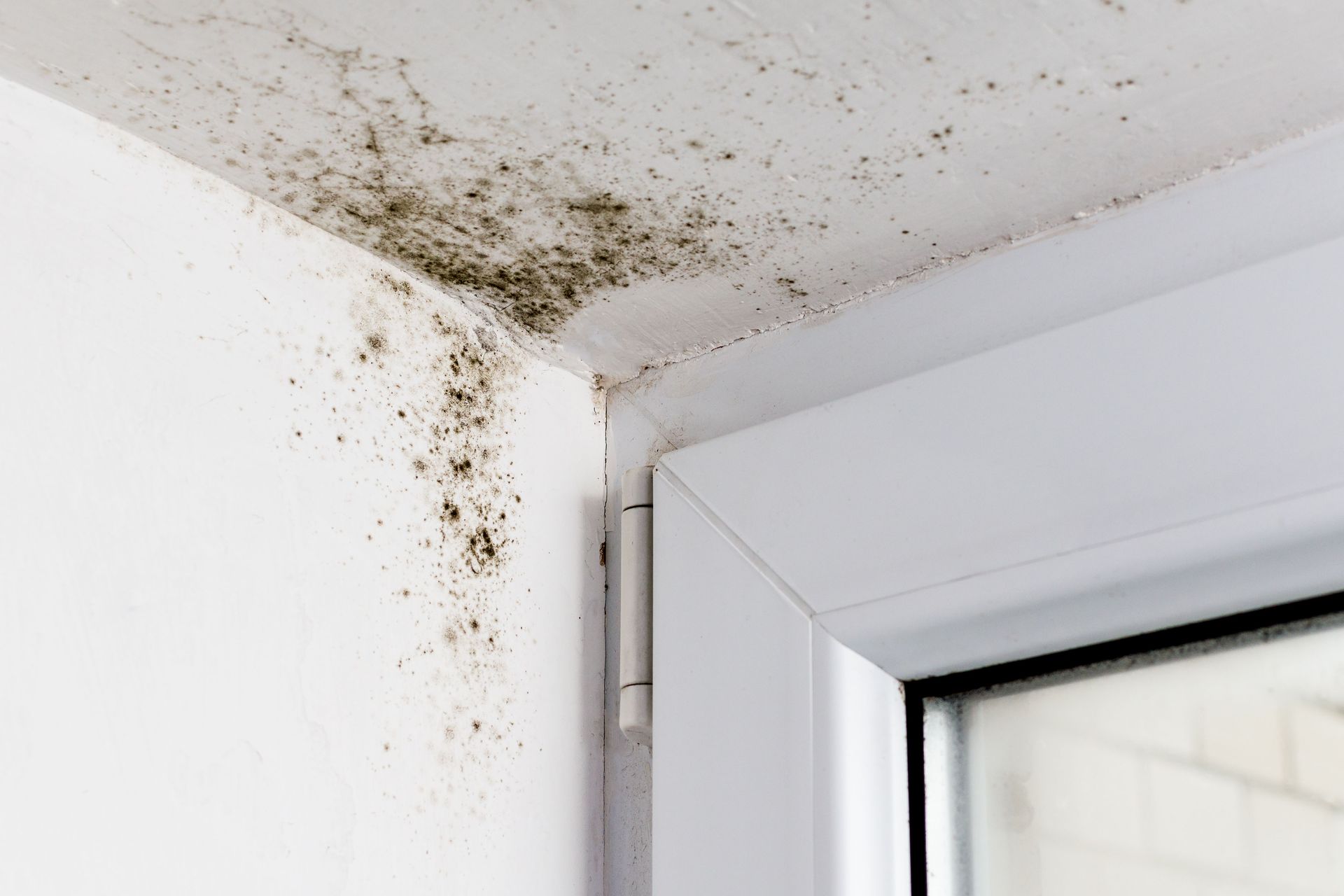
Recognizing the early warning signs of inadequate airflow can save homeowners from expensive structural repairs and remediation bills down the road. Common red flags that you need mold removal include heavy condensation on attic windows, wet insulation patches, rusted roofing nails, and persistent musty odors throughout the upper floor. According to FEMA, damp environments allow fungal spores to establish themselves within 24 to 48 hours, which can eventually degrade the load-bearing strength of wooden framing and cause serious structural devaluation if ignored.
Effective temperature regulation also protects the roof deck from extreme thermal stress throughout the changing winter and summer seasons. During hot summer months, proper venting lowers attic temperatures to reduce the heavy strain on household air conditioning systems and lower utility costs. In the winter, it prevents the warm air from creating localized hot spots that melt snow and cause ice dams, making it a critical asset before investing in professional mold removal.
Recognize Mold Growth Challenges
Fungi thrive anywhere they find consistent moisture, restricted air movement, and abundant organic materials like plywood or drywall to feed upon. Attics are uniquely vulnerable to these infestations because they contain extensive wooden framing and remain completely undisturbed for long periods. When stagnant humidity levels remain high inside the roof cavity, microscopic spores settle on these surfaces and multiply rapidly, creating deep-seated infestations that damage household infrastructure.
Microscopic airborne spores can easily migrate from the attic down into the main living spaces, heavily compromising indoor air quality for the entire family. Prolonged exposure often triggers respiratory issues, chronic coughing, throat irritation, and severe allergic reactions in sensitive individuals, children, and elderly residents. The presence of these airborne toxins creates significant long-term health concerns and continuous mental stress for everyone living inside the home.
The structural consequences of ignoring roof moisture go far beyond superficial black staining or unpleasant odors that ruin home comfort. Fungal colonies actively consume organic building components, slowly rotting the essential rafters and supportive joists that hold the heavy roof intact. Protecting these critical wooden elements from rotting makes successful mold removal a priority for maintaining overall property value and preventing catastrophic structural failures over time.
Traditional remediation tactics often fail because they focus exclusively on wiping away visible stains with harsh chemical solutions or wire brushes. If the underlying airflow deficiencies are left uncorrected, the humid microclimate will inevitably cause the stubborn infestation to return within a few weeks. Achieving lasting results requires a holistic approach that pairs immediate cleanup with comprehensive ventilation upgrades to disrupt the reproductive cycle of the organisms.
Optimize Balanced Airflow Mechanics
Designing an effective ventilation system relies on balancing intake and exhaust pathways to maintain a steady passive airflow across the entire space. System designers focus on placing intake vents low on the roofline and exhaust vents at the highest peak to leverage natural thermal convection. This layout ensures that rising warm air escapes efficiently while constantly pulling fresh, dry air into the lower attic space without consuming electricity.
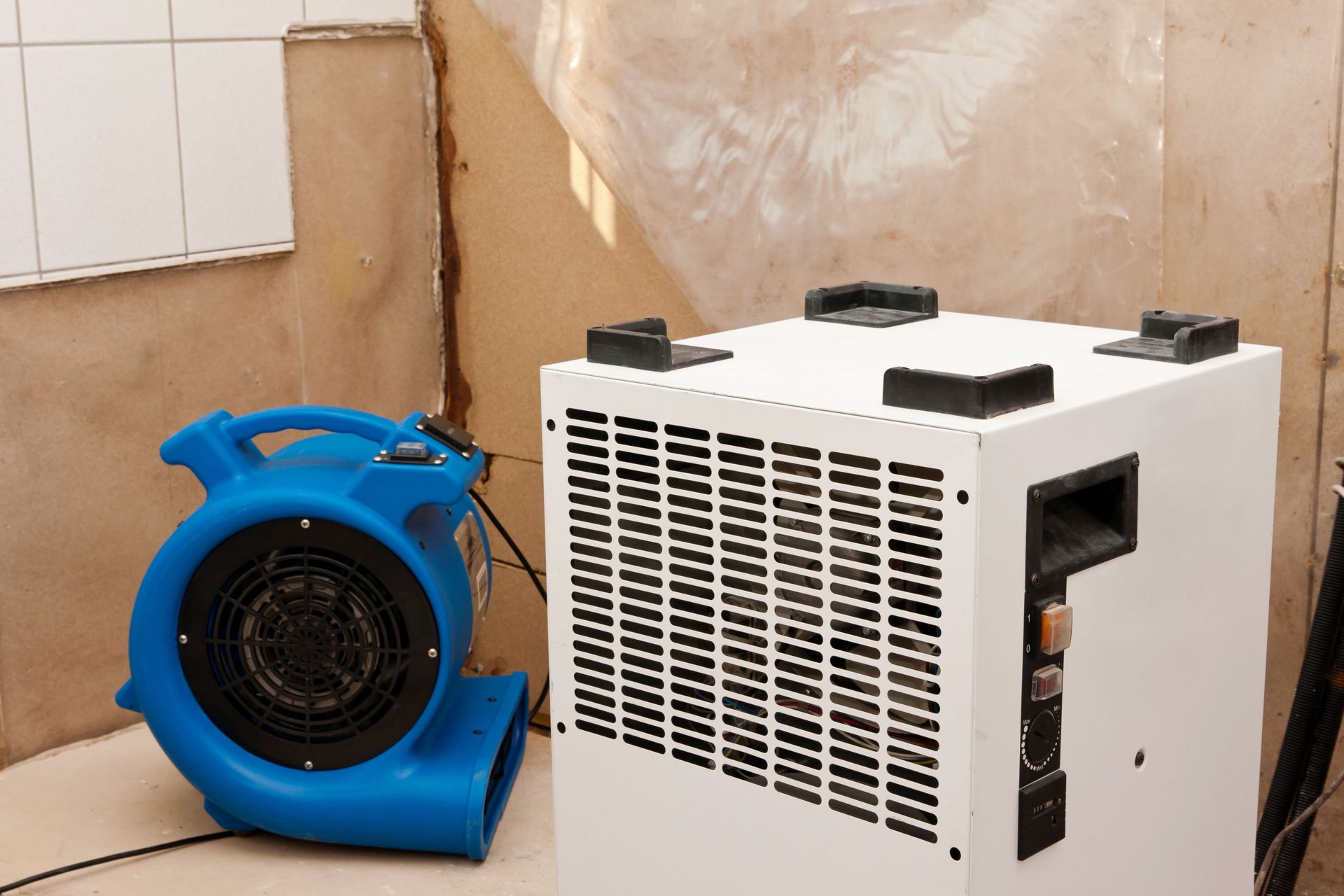
Modern building technology has introduced smart ventilation systems that adapt to real-time environmental changes inside the roof cavity. Automated ventilators equipped with built-in humidity sensors can increase fan speeds whenever internal moisture levels spike unexpectedly. Integrating these advanced systems provides a highly reliable method for maintaining optimal air quality while incorporating mold removal techniques into standard home maintenance routines.
Upgrading attic airflow also delivers impressive energy savings by stabilizing the temperatures directly above the main living spaces. Cooler attics protect roof shingles from premature wear and significantly lower summer utility bills by reducing household cooling demands on your air conditioner. Combining energy-efficient ventilation with sustainable building practices allows homeowners to enjoy a healthy indoor environment without increasing their monthly operational expenses.
Hiring experienced professionals ensures that vent calculations match the specific square footage and unique architectural layout of the home. While do-it-yourself installations might seem cost-effective initially, improper vent placement can disrupt natural airflow patterns and worsen moisture accumulation. Professional installation provides long-term warranties and peace of mind, verifying that the entire ventilation system functions at peak performance year after year.
Execute Effective Installation Steps
Implementing a reliable airflow strategy begins with a comprehensive assessment of the existing roof infrastructure and ventilation vents. Inspectors examine the entire space to locate blocked intake baffles, damaged insulation, or broken exhaust fans that hinder free air movement. Measuring the current ratio of intake to exhaust capabilities helps identify specific airflow bottlenecks that require immediate physical correction and structural adjustments.
The next phase involves mapping out a detailed installation blueprint tailored to the local climate and architectural layout of the house. Specialists determine the exact size and placement of new vents to guarantee a uniform distribution of fresh air throughout the space. Proper planning ensures that no stagnant pockets remain in the corners of the attic where moisture typically tends to accumulate over time.
Careful execution during the physical installation process prevents common structural mistakes like accidentally blocking existing pathways or insulation gaps. Workers must carefully seal around new vent openings to prevent rainwater leaks while keeping the airflow channels completely unobstructed and clean. These precise architectural adjustments streamline the mold removal process by permanently altering the moisture levels within the roof cavity.
Long-term success requires a commitment to routine inspection and regular maintenance of all ventilation components and fan systems. Over time, blowing insulation, windblown dust, leaves, and nesting pests can clog exterior vents and restrict critical airflow. Cleaning the grates regularly and testing mechanical fans ensures the system continues to protect the home from moisture problems for decades to come.
Establishing proper attic ventilation is the foundational component needed to break the frustrating cycle of recurring moisture damage. Superficial treatments will always fall short if the underlying air circulation problems continue to sustain a damp environment under the roof. We invite you to partner with us at San Diego Abatement Services for your mold removal needs to safeguard your property today.

Share On: