
The Ultimate "Fresh Air" Checklist: A Homeowner’s Post-Mold Removal Maintenance Guide
Understanding the importance of maintaining a mold-free environment in your home goes beyond just the initial remediation process. This guide equips homeowners with the knowledge and actionable checklist needed for ongoing maintenance to ensure clean, fresh air and a healthy living space. The presence of mold in homes can pose significant health risks, making continuous upkeep a crucial aspect of responsible homeownership. Mold spores are a common indoor pollutant that can affect both the respiratory health of inhabitants and the structural integrity of a home. By implementing the routine practices outlined below, you can successfully mitigate the risks associated with fungal growth, protect your property investment, and enjoy a healthier household environment over the long term.
Inspecting and Monitoring Areas Regularly
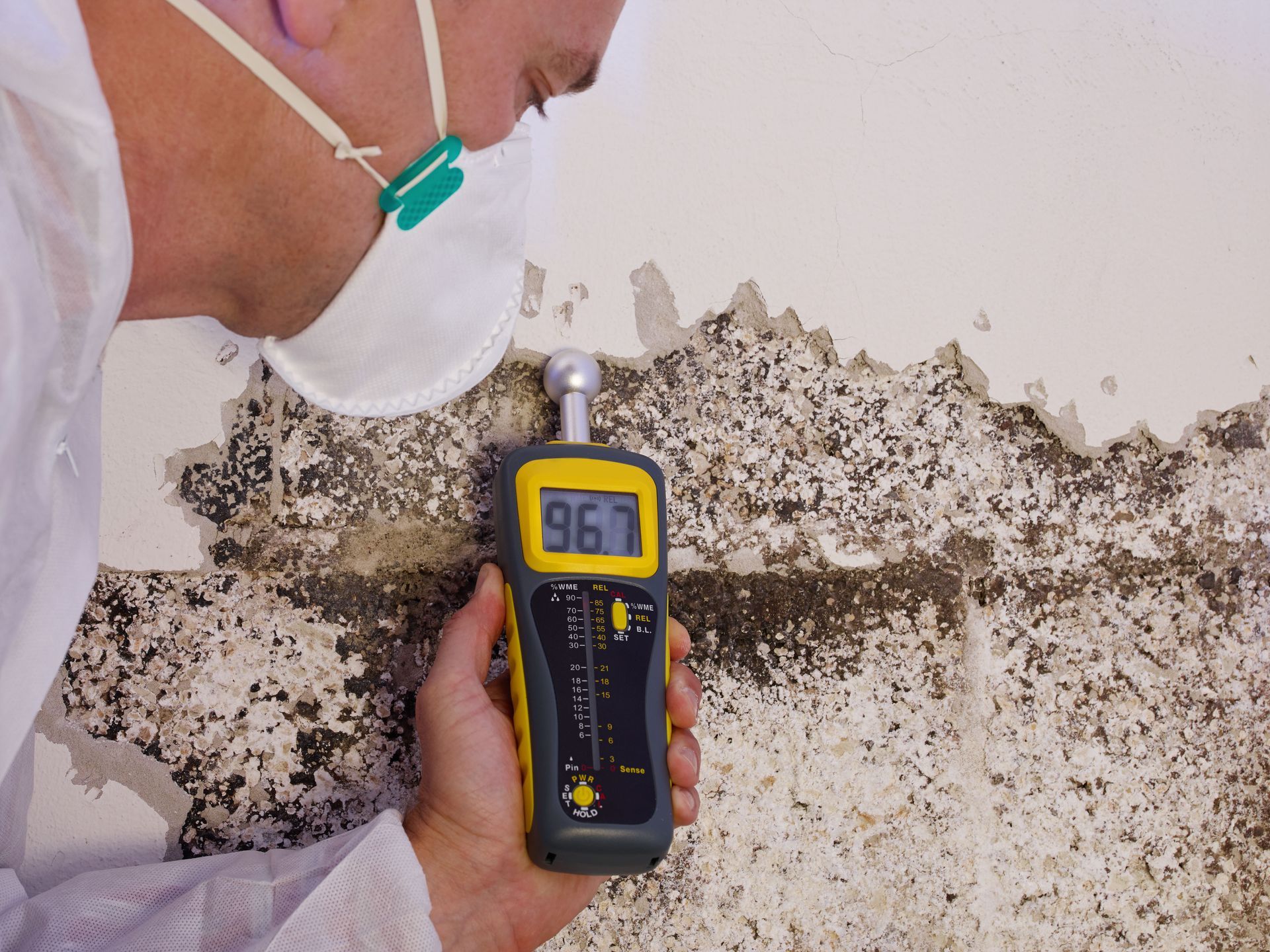
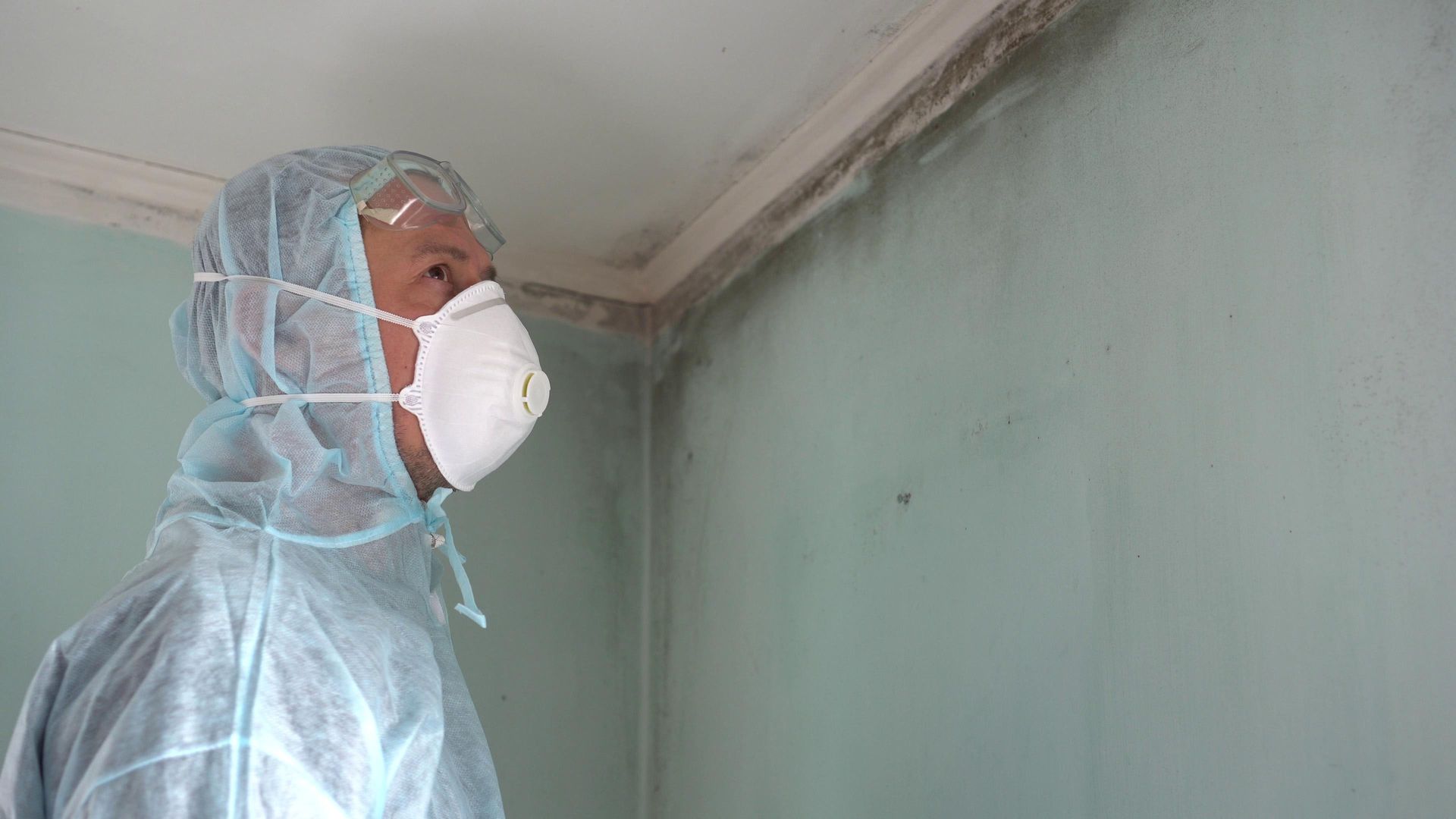
Regular oversight is essential for ensuring that a home remains healthy after receiving professional mold removal services. Start with visual inspections of high-risk zones such as basements, bathrooms, kitchens, and any site previously affected by moisture. This proactive approach allows homeowners to detect any signs of new fungal growth early, addressing small issues before they become costly problems. Because visual cues may not reveal everything, integrating tools like moisture meters can provide deep insights into hidden structural dampness that could support unseen spore proliferation beneath surfaces.
Monitoring indoor humidity levels is another vital part of the daily inspection routine. Using a digital hygrometer allows homeowners to maintain optimal indoor humidity levels below 60%, ideally keeping the environment between 30% and 50%. According to the Environmental Protection Agency (EPA), Americans spend approximately 90% of their time indoors, where concentrations of certain pollutants, including mold spores, can be two to five times higher than typical outdoor concentrations. Keeping tabs on indoor air quality helps maintain overall comfort while aggressively preventing the stagnant conditions required for mold proliferation.
Additionally, documenting observations during your routine checks can be highly beneficial for your property history. Keeping a simple log of moisture conditions, inspections, and localized air quality test results can help identify seasonal patterns and recurring environmental issues. This documented history can be invaluable for tracking down persistent problems or justifying the need for targeted mold removal services. Simple notes regarding unusual musty odors, condensation on window glass, or fresh water stains serve as significant indicators that guide future preventative adjustments.
Optimizing Home Ventilation Systems
Enhancing natural and mechanical airflow is key to maintaining an indoor environment hostile to fungal spores. Ensuring that bathroom and kitchen exhaust fans are in working order and used routinely can help expel excess moisture generated from daily showering and cooking. Poor ventilation retains damp air, creating prime conditions for wood and drywall to absorb moisture. Investing in modern exhaust fans equipped with automatic relative humidity sensors can further help reduce moisture levels efficiently without requiring manual operation.
Regular window maintenance is another simple yet effective means of increasing fresh airflow throughout your living areas. Opening windows to allow fresh air to circulate regularly dilutes pollutant concentrations indoors and drives out stale air. Furthermore, ensuring that window frames are tightly sealed when closed prevents external rainwater or high outdoor humidity from entering. Balancing your indoor airflow contributes to maintaining a cleaner, cooler, and fresher indoor environment that discourages new spore accumulation on walls and ceilings.
The heating, ventilation, and air conditioning (HVAC) system plays a pivotal role in providing adequate household ventilation. Routine maintenance on HVAC systems ensures they are not only effective at filtering particles but also energy-efficient at removing moisture. Cleaning or swapping air filters regularly, servicing external compressor units, and scheduling periodic air duct cleaning will help your HVAC system function optimally. Incorporating air purifiers equipped with true HEPA filters into high-traffic rooms adds an extra layer of protection, continuously removing airborne impurities.
Controlling Moisture and Household Leaks
Managing water intrusion is one of the most significant preventive measures a homeowner can take against fungal growth. Addressing plumbing leaks, dripping valves, and roofing failures promptly is integral to preventing structural water damage and subsequent spore germination. Waiting to repair minor leaks can have devastating effects both structurally and financially. Homeowners should prioritize fixing plumbing issues as soon as they are detected to keep the domestic environment dry, safe, and entirely unsuitable for mold growth.
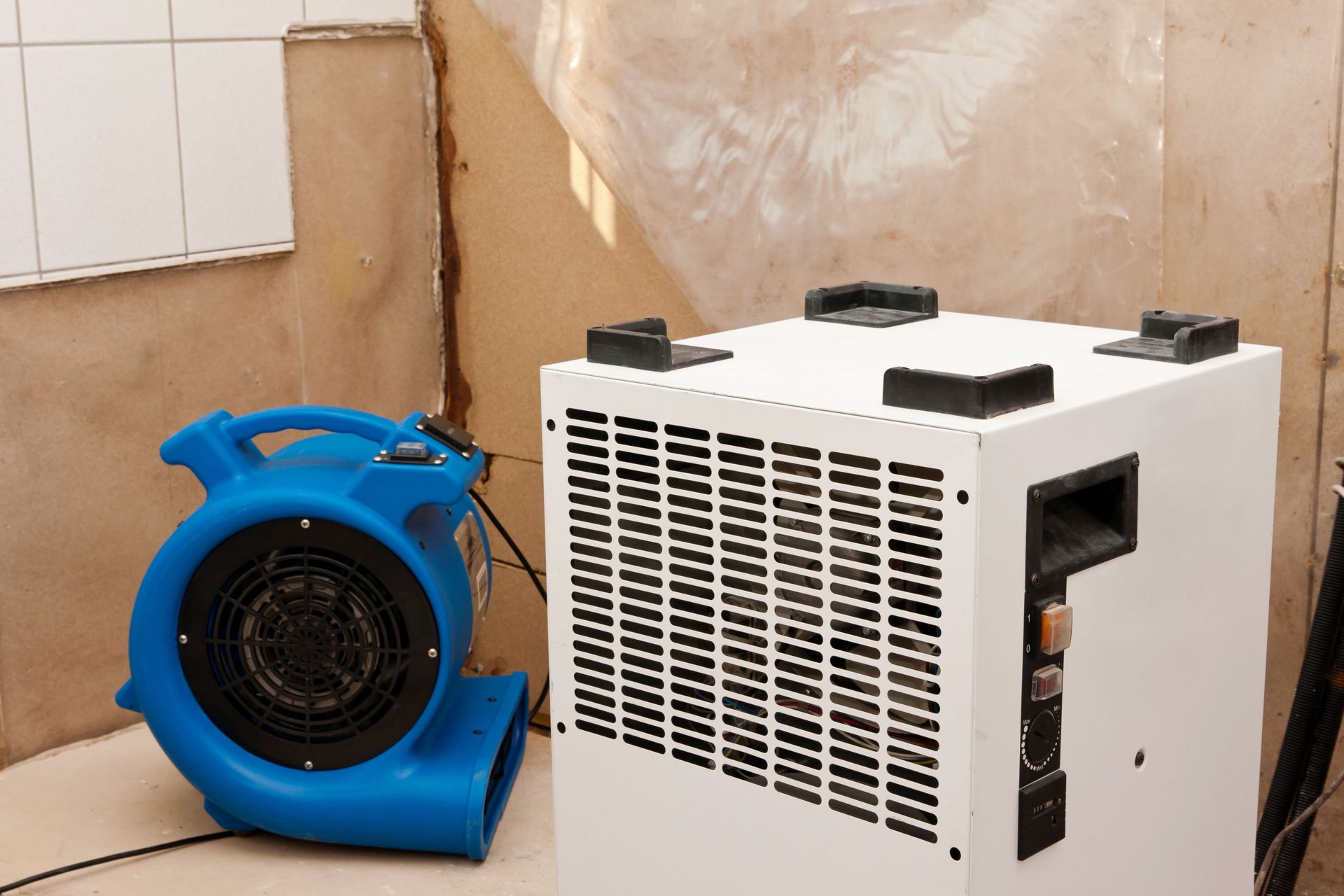
Commercial dehumidifiers are highly effective tools for managing indoor moisture, particularly in naturally damp spaces like crawl spaces and unfinished basements. They help maintain tight control over humidity levels, minimizing the damp environment necessary for spores to thrive. Additionally, professionally sealing basements and crawl space floors prevents external ground moisture infiltration. Beyond internal mechanical solutions, external landscaping adjustments ensure that yard grading directs rainwater away from your foundation, reducing the risk of moisture seeping through subterranean walls.
Insulation enhancements are another proven method to control interior moisture while simultaneously improving the energy efficiency of your property. Upgrading insulation in vulnerable exterior walls and attics significantly reduces the risk of condensation forming when warm indoor air hits cold structural surfaces. By preventing this temperature-driven condensation, adequate insulation cuts off the water supply that the mold requires for growth. These combined moisture management strategies create a comprehensive, protective shield tailored to your home's layout.
Practicing Routine Cleaning Protocols
Consistent household sanitation serves as an effective barrier against biological growth when performed with the right techniques and solutions. Utilizing mold-resistant and eco-friendly cleaning solutions ensures that your weekly chores contribute to a genuinely hygienic home environment. These solutions help remove everyday organic dust, which can serve as a food source for spores, while leaving behind surfaces that resist fungal colonization. Ensuring that the cleaning products are formulated to inhibit fungal survival is vital for long-term protection.
Designing a deep cleaning schedule specifically for zones prone to moisture build-up prevents hidden accumulation. Bathrooms, kitchens, and laundry rooms require frequent attention due to their regular exposure to running water and steam. Sticking to a strict sanitation schedule ensures these areas do not become hotspots for fungal activity. Moreover, using targeted cleaning agents on tile grout, shower curtains, and silicone seals prevents mildew from establishing a foothold, keeping potential trouble spots completely under control.
Utilizing Professional Remediation Experts
Partnering with certified experts ensures access to professional tools and diagnostics for advanced property protection. Scheduling annual or semi-annual mold assessments with certified remediation specialists adds a layer of safety to your preventative maintenance plan. These professionals possess the advanced thermal imaging cameras and air sampling equipment needed to identify hidden moisture plumes that are completely invisible to the naked eye. Involving specialists protects your physical property and ensures early detection before extensive remediation is required.
Professional HVAC servicing guarantees that the heating and cooling mechanisms remain free from biological contamination. This oversight contributes to achieving a precise balance of temperature and relative humidity while promoting allergen-free airflow through your registers. Furthermore, moisture control experts can provide structural engineering insights, such as sump pump installations or commercial encapsulation, tailored to your specific regional climate. Consulting them for tailored structural solutions validates your long-term damage prevention strategies.
Maintaining a healthy, mold-free home requires ongoing vigilance, proper humidity control, and consistent household maintenance. By following the comprehensive steps outlined in this guide, homeowners can ensure that indoor air quality remains fresh, thereby protecting both the physical building materials and the health of their families. Regular maintenance, moisture management, and homeowner education are the core components needed to prevent future environmental issues and maintain a comfortable living space. For more information about the services that we offer, reach out to our incredible team at San Diego Abatement Services today!
Share On: