
Your Standard Homeowners Insurance Might Cover Black Mold Remediation Service
Black mold can pose serious health risks and cause significant damage to your home. While many homeowners are aware of the dangers, they are often uncertain about whether their insurance policy will cover the expense of a professional black mold remediation service. This article explores why your standard homeowners insurance might actually cover these costs, contrary to common belief.
Understanding Homeowners Insurance Policies
Overview of Standard Coverage
Standard homeowners' insurance policies typically cover a range of perils that protect the structural components of your home. These policies generally include coverage for damage due to fire, windstorms, hail, and theft. However, many homeowners may not realize that under certain circumstances, their policy can extend to cover a black mold remediation service. Insurance companies often stipulate specific conditions, such as the occurrence being sudden and accidental, to apply coverage for mold. These nuances highlight the importance of understanding the fine print of your policy terms.
When reviewing your policy, it is important to differentiate between what is typically covered and what might require additional endorsements. For example, if mold results from a covered water damage incident, like a burst pipe, a black mold remediation service might be fully included. Understanding these distinctions can be crucial in steering your policy to work in your favor, protecting you from unexpected financial burdens. Educating yourself about various policy provisions can ultimately save you money and provide peace of mind.
Perils Commonly Covered by Homeowners Insurance
A standard homeowners insurance policy often lists several covered hazards or perils. If black mold develops as a direct consequence of a covered peril, such as a storm-related roof leak, the costs for a black mold remediation service may be included within the coverage. For instance, if water damage from a storm causes mold growth, your policy might cover the cleanup and repair. Understanding which perils are included ensures homeowners can navigate and potentially utilize coverage effectively in incidents involving mold.
Furthermore, understanding exclusions within standard coverage is key to preventing unwelcome surprises. Insurance companies strictly list what constitutes maintenance negligence and other unfunded liabilities. Dampness or hidden mold issues often prompt clarification discussions between insurers and policyholders, underlining the importance of a detailed understanding of policy language. It’s worth noting that, according to iPropertyManagement, approximately 10% of US homes have dampness or mold issues that are not visible to the naked eye. This often requires a professional black mold remediation service to identify and treat growth hiding behind drywall or under flooring using thermal imaging. Knowing your coverage scope makes preparing for mold-related damage a proactive event rather than a reactive one.
Exceptions to Standard Coverage
Insurance policies typically contain a list of exceptions that delineate what is not covered under standard terms. Routine maintenance issues like slow leaks, dampness, and condensation caused by neglect often fall outside standard policy coverage. Many insurers stipulate exceptions based on the property's age, deferred repairs, or pre-existing conditions that may propagate mold. By explicitly outlining these exceptions, insurance companies protect themselves from bearing the costs of homeowner negligence or unmet maintenance responsibilities. However, understanding these exceptions empowers homeowners to make informed decisions on when to push for coverage utilization.
The Problem of Black Mold
Health Risks Associated with Black Mold
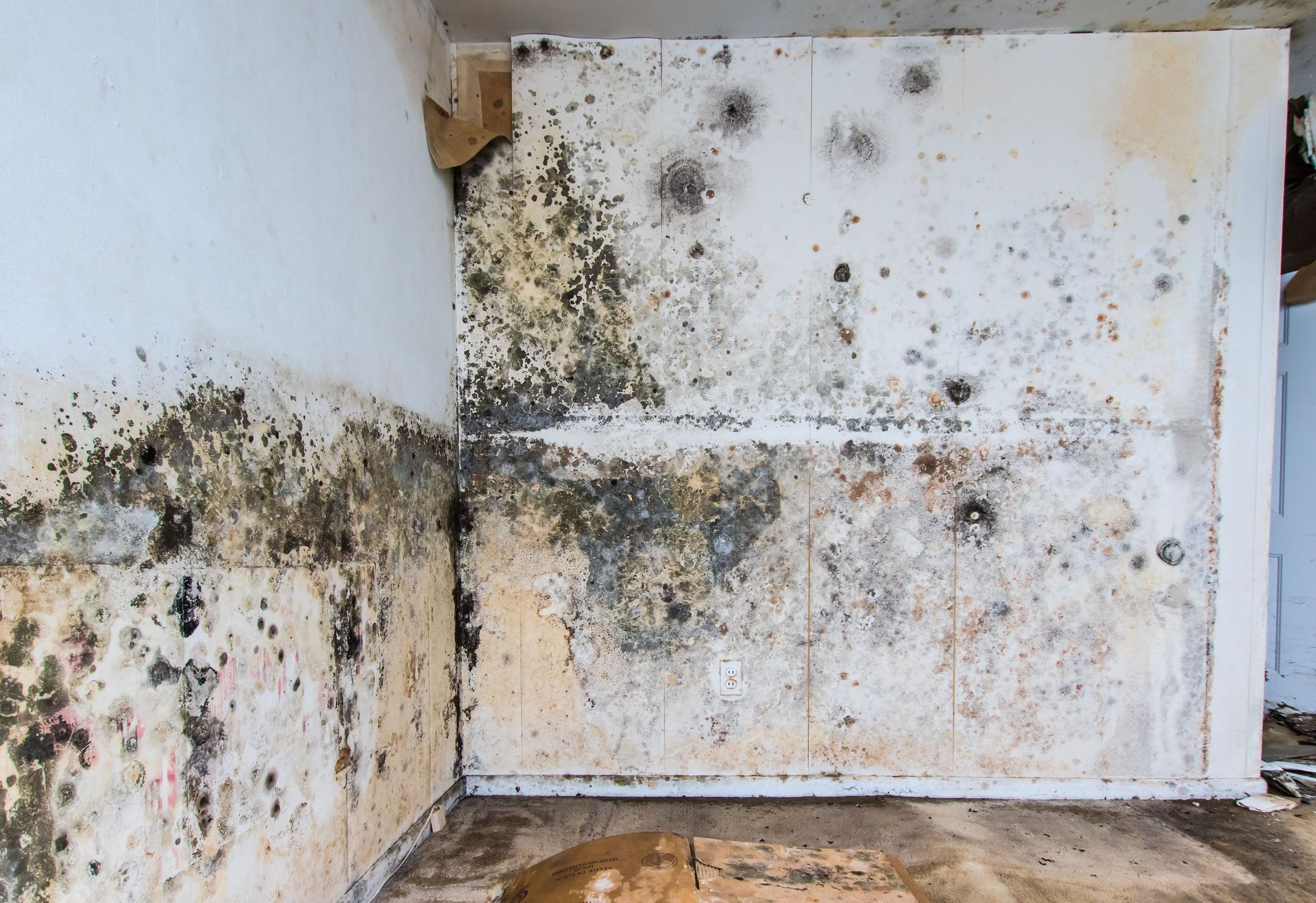
Black mold, also known as Stachybotrys chartarum, is notorious for its potential health hazards, particularly those affecting the respiratory system. Residents often develop symptoms such as wheezing, nasal stuffiness, eye irritation, and skin rashes with prolonged exposure. Among more vulnerable populations like children and immunocompromised individuals, exposure can lead to severe health complications, including respiratory infections and heightened allergic reactions. The stealthy nature of black mold allows it to build up gradually, often undetected, exacerbating potential health conditions over time. Securing a black mold remediation service is often a medical necessity for those suffering from chronic allergies or weakened immune systems.
The existence of black mold can lead to serious medical concerns if the environment facilitates unchecked growth. Medical professionals often highlight that long-term inhalation of mold spores elevates health issues considerably. Educational resources predominantly emphasize the significance of environment-controlled conditions to minimize exposure risk. Adequate remediation, airing practices, and cautious observation for mold signs contribute significantly to abating health threats. Mallergists and general practitioners affirm the need for awareness and prevention to safeguard health and wellness against potential mold-related incidents in homes.
Causes of Black Mold in Homes
The presence of black mold is often contingent on specific environmental conditions conducive to growth. Moist environments, resulting from leaking pipes, damp basements, and inefficient ventilation, frequently foster molds. Where water intrusion is common, black mold usually follows, thriving under humid, warm conditions combined with organic materials. This reiterates the importance of vigilant home maintenance to minimize such environments and restrict mold emergence. Recognizing these causative factors helps homeowners strategize effectively to prevent black mold establishment.
Detection and Early Signs
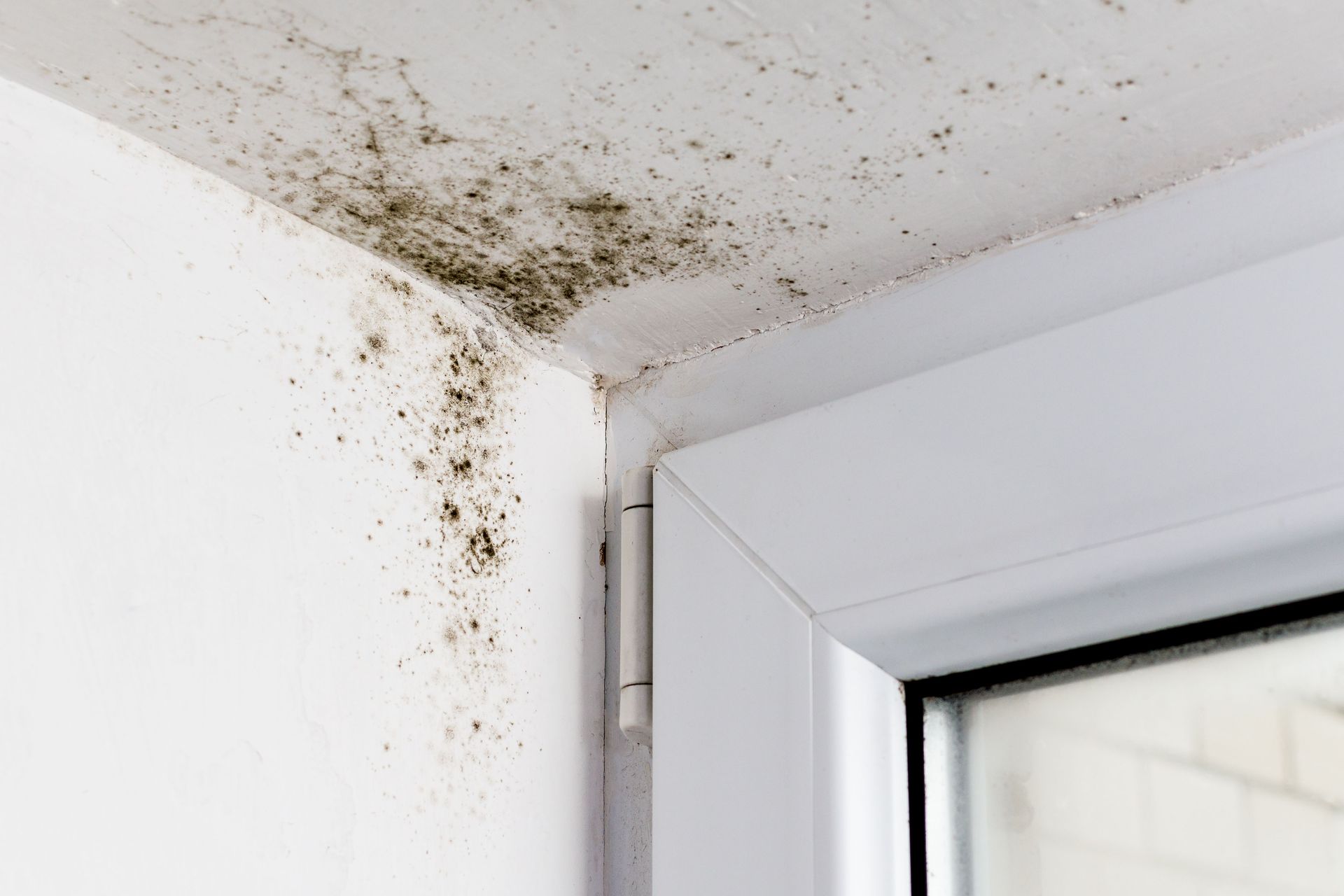
Detecting black mold early is vital to mitigating health and property damage risks effectively. Often, mold detection begins with noticing musty odors or dark spots around damp areas, like bathrooms or basements. Recognizing these signs prompts further investigation and the possibility of more extensive inspections. Utilizing modern tools such as moisture meters or thermal imaging technology allows for comprehensive assessments of areas beyond easy reach. Professional inspections eliminate guesswork, ensuring precise identification so you can hire a black mold remediation service before the infestation spreads to the rest of the structure.
Central to mold detection are routine home inspections aimed at identifying and addressing conditions accelerating mold growth. Homeowners can employ specific methodologies focused on identifying water intrusion levels, particularly in hidden spaces such as attics or crawl spaces. Investing in advanced detection tools like moisture scanners can establish early warnings, assisting in remediation processes. Understanding specific tools and inspection techniques empowers residents to ensure thorough checks against emerging mold conditions. Early identification assumes a preventive stance vital in counteracting extensive black mold proliferation.
The Connection Between Water Damage and Mold
How Water Damage Leads to Mold
Water damage and black mold are intrinsically linked, as standing water provides the moisture required for mold spores to thrive. Mold needs moisture, warmth, and organic material to flourish, conditions that are often met following events like pipe bursts or floods. Once water infiltrates interior spaces, porous materials like drywall or carpeting can retain moisture, creating a potential environment conducive to mold growth. If not addressed promptly, moisture issues can develop into full-blown mold infestations with lasting implications. Proactive water damage management is essential in preventing subsequent mold complications.
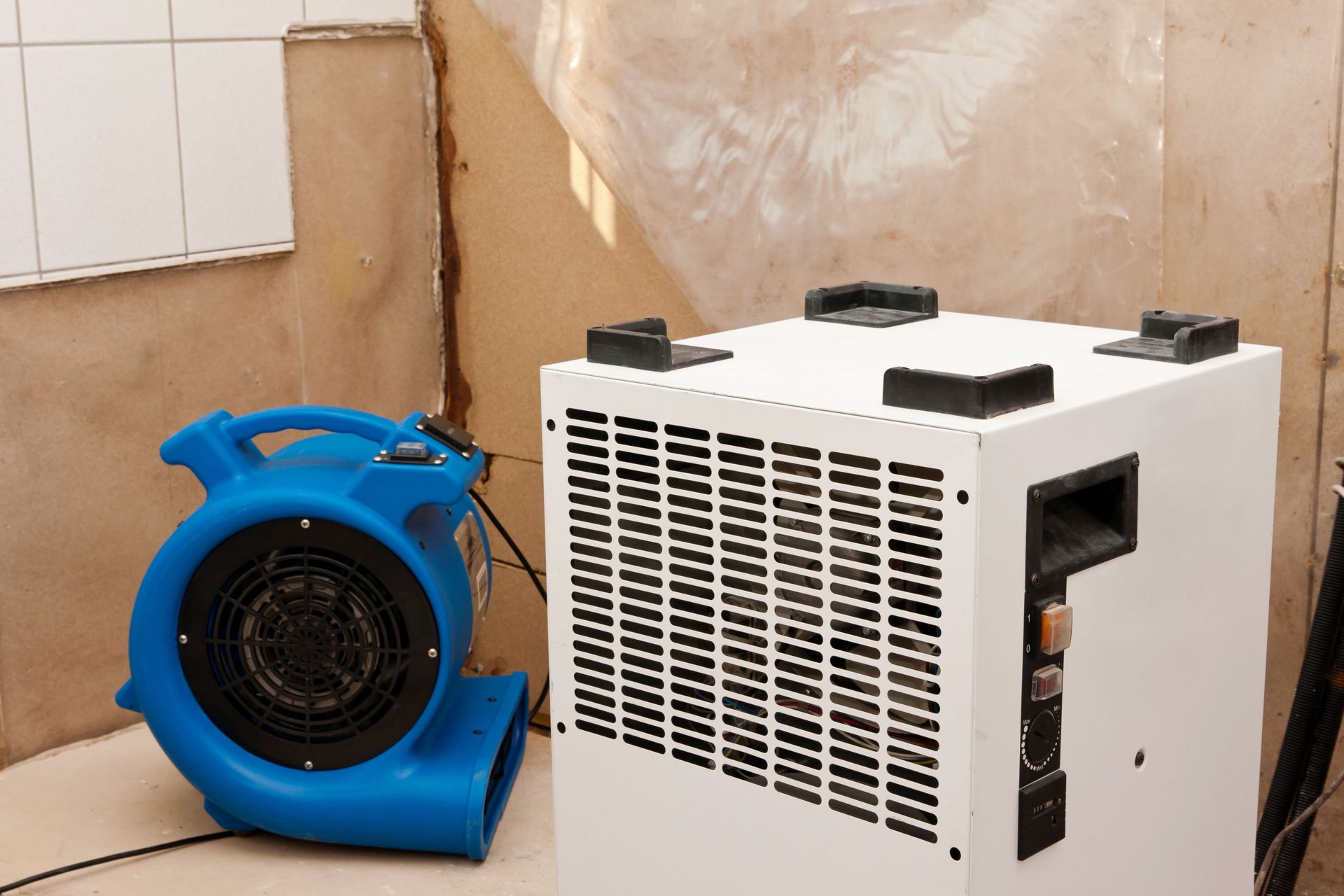
Professional remediation following water intrusion is crucial to inhibit mold development. Responding to these incidents with controlled drying processes and dehumidification can effectively mitigate moisture levels, prohibiting mold. Failure to completely dry out affected areas often provides mold spores with needed sustenance, resulting in visible growth over time. Homeowners benefit from aligned strategies proficiently incorporating modern technologies for indoor air quality control and area assessments. Advanced response initiatives geared toward prompt moisture containment ensure effective water damage mitigation.
Common Sources of Water Damage
Numerous factors contribute to water damage within homes, ranging from natural disasters to human-induced mishaps. Roof leaks, window pressurization failure during storms, or pipe ruptures rank among common water intrusion catalysts. Appliances overflowing or faulty plumbing also frequently introduce moisture, threatening interiors with potential mold repercussions. Homeowners must remain vigilant in maintaining internal systems alongside foreseeing external influence risks, such as heavy rains or melting snow. Exhaustive awareness contributes to proactive identification and counteraction of water intrusion conduits before escalation into significant mold development issues occurs.
Navigating the complexities of homeowners' insurance can be challenging, but understanding the link between sudden water damage and mold growth is essential for securing the coverage you deserve. By staying vigilant with home maintenance and utilizing professional detection tools, you can identify hidden issues before they escalate into costly structural or health problems. Protecting your home and family ultimately requires a proactive approach to remediation, ensuring your living space remains safe, dry, and mold-free.
Stop waiting for health issues to arise and contact the experts at San Diego Abatement Services today to see if your black mold remediation service is covered by your insurance.
Share On: