
Why More Property Owners Rely on an Experienced Mold Removal Business
Mold can become a serious concern for residential and commercial property owners when moisture problems allow it to develop indoors. Visible growth may be only one indication of a larger issue because moisture and affected materials can exist in areas that are difficult to see. An experienced mold removal business can evaluate the extent of the problem, determine which areas require attention, and provide professional remediation appropriate for the property.
Indoor mold concerns can also have implications beyond the appearance of a building. According to RealTime Laboratories, of the 21.8 million people reported to have asthma in the United States, an estimated 4.6 million cases are attributable to exposure to dampness and mold inside homes. Because mold conditions can involve hidden moisture, contaminated materials, and indoor environmental concerns, property owners increasingly recognize the value of experienced professional assistance.
Relying on Experience to Identify the Extent of Mold
Recognizing Visible Growth
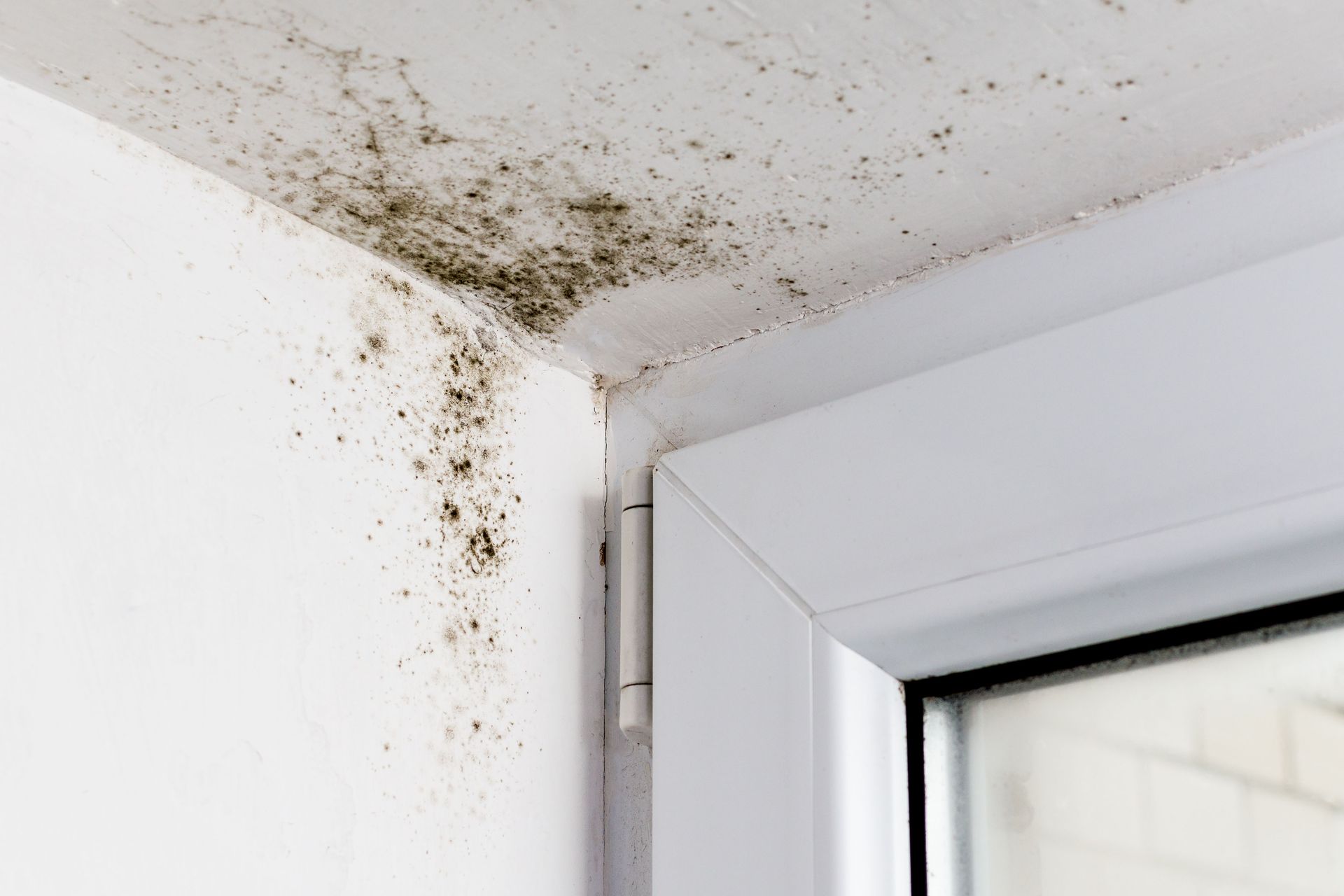
Discoloration or visible growth on walls, ceilings, flooring, and other surfaces can indicate a moisture-related problem. Professionals can evaluate these areas while considering whether the visible mold represents an isolated concern or evidence of a broader condition elsewhere in the building.
Recognizing Hidden Problem Areas
Mold is not always located in open, easily visible spaces. It can develop behind walls, beneath flooring, around plumbing, or in other concealed locations. A mold removal business brings experience with common problem areas and can determine when conditions warrant further professional investigation.
Recognizing the Scope of Damage
A small visible patch does not necessarily reveal the complete extent of affected materials. Understanding the scope of contamination is important because remediation planning depends on where mold is present, what materials are involved, and how extensively the area has been affected.
Recognizing Related Moisture Conditions
Mold growth requires moisture, making water intrusion an important part of the overall concern. Leaks, flooding, condensation, and elevated humidity can contribute to conditions that support growth. Identifying these related issues helps property owners understand why mold developed.
Relying on Experience to Contain Affected Areas
Limiting Cross-Contamination
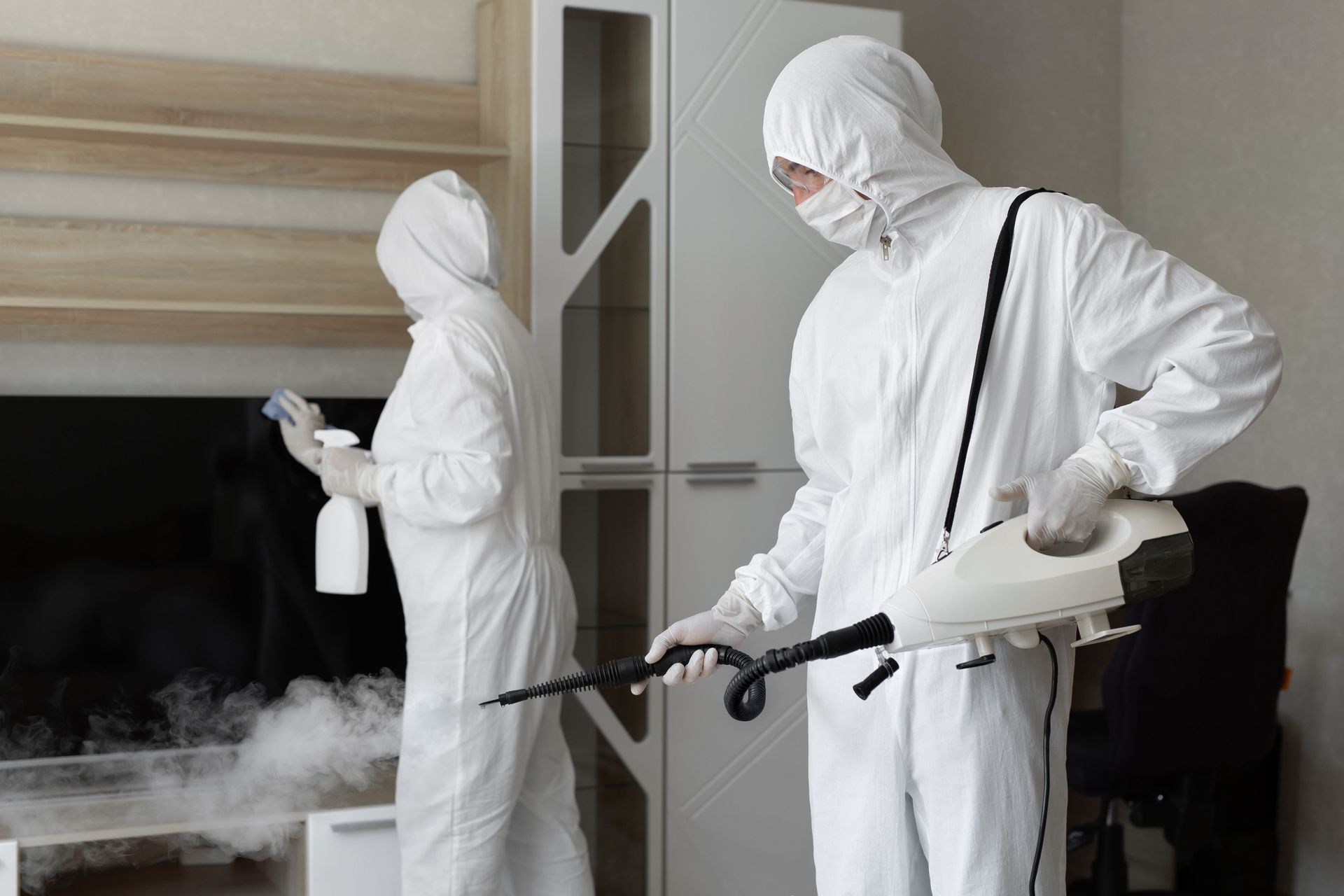
Disturbing mold-affected materials without appropriate controls can allow particles to move beyond the original area. Professional remediation accounts for this possibility and uses containment practices appropriate for the size and characteristics of the affected space.
Protecting Unaffected Spaces
Containment is intended to separate remediation areas from other portions of a property. An experienced mold removal business can establish controls based on site conditions, helping reduce the potential for remediation activities to affect spaces that were not originally involved.
Managing Airborne Material
Mold-related particles can become airborne when contaminated materials are disturbed. Professional equipment and established procedures help manage the remediation environment while affected materials are addressed. This is particularly important when work involves enclosed interior spaces.
Adapting to Property Conditions
Every building presents different challenges. Room configuration, occupied areas, ventilation, construction materials, and the extent of contamination can all affect containment needs. Professional experience allows the remediation approach to reflect conditions at the specific property.
Relying on Experience to Address Affected Materials
Evaluating Porous Materials
Drywall, insulation, carpeting, and other porous materials can respond differently to moisture and mold than hard surfaces. Professionals assess material condition when determining what can appropriately remain and what may require removal as part of remediation.
Evaluating Nonporous Materials
Some hard, nonporous surfaces may be treated differently depending on their condition and the extent of contamination. A mold removal business can evaluate the materials present and select an appropriate professional approach rather than treating every affected surface the same way.
Evaluating Structural Components
Moisture problems can sometimes affect framing or other building components in addition to finished surfaces. Understanding which materials are involved helps establish a remediation scope that addresses the affected area rather than focusing only on what is immediately visible.
Evaluating Contents and Furnishings
Mold concerns can extend beyond building materials to items located within an affected space. Furniture, stored belongings, and other contents may require evaluation depending on their materials, location, and exposure. A professional assessment can help clarify which items need attention.
Relying on Experience to Address Moisture Concerns
Identifying Water Intrusion
Roof leaks, plumbing failures, appliance problems, and exterior water intrusion can introduce moisture into areas where mold may develop. Identifying evidence of these conditions is an important part of understanding the larger problem affecting a property.
Identifying Persistent Dampness
Not every moisture concern begins with a major water event. Persistent dampness can develop gradually and remain unnoticed for extended periods. An experienced mold removal business can consider moisture conditions alongside visible contamination when evaluating the affected environment.
Identifying High-Humidity Conditions
Elevated indoor humidity can contribute to conditions that support mold growth, particularly in areas with limited ventilation. Understanding the environmental conditions surrounding a mold problem can provide important context for property owners addressing the source of recurring moisture.
Identifying Recurring Problem Areas
A location that repeatedly develops staining, odors, or visible growth may have an unresolved moisture concern. Professional evaluation can help distinguish between an isolated event and a recurring condition that requires additional attention beyond surface appearance.
Relying on Experience to Manage Complex Properties
Addressing Residential Properties
Homes can contain many potential mold locations, including bathrooms, kitchens, basements, attics, utility spaces, and areas surrounding plumbing. A professional assessment considers how the building is constructed and how moisture may be affecting different materials.
Addressing Commercial Properties
Commercial buildings can present additional challenges because remediation may need to account for employees, customers, tenants, inventory, and ongoing operations. A mold removal business can develop a remediation scope that reflects the building's use as well as the affected area.
Addressing Larger Affected Areas
Extensive contamination can require more planning than an isolated problem. Larger areas may involve multiple materials, rooms, or building systems. Professional experience becomes especially valuable when remediation must coordinate containment, material removal, and other project considerations.
Addressing Occupied Buildings
Properties that remain occupied require careful planning around access and the separation of work areas. Professional remediation allows the project to be organized with the building's occupants and normal functions in mind while affected spaces receive appropriate attention.
Relying on Experience to Support Long-Term Property Care
Reducing Repeated Remediation
Simply addressing visible growth without considering the larger moisture condition can leave property owners facing similar concerns again. A thorough professional evaluation provides a broader understanding of the affected area and the conditions associated with the mold problem.
Supporting Informed Property Decisions
Property owners may need to coordinate remediation with repairs, renovations, water-damage work, or other building services. Experienced professionals can provide information about the scope of affected materials so owners can make better-informed decisions about the property.
Supporting Documentation Needs
Commercial owners, landlords, property managers, and homeowners may benefit from having clear information about professional remediation work. Depending on the circumstances, documentation can help organize communication with other contractors or parties involved with the property.
Supporting Greater Confidence in the Property
Mold can create uncertainty because the full extent of a problem is not always apparent from what can be seen. Professional remediation gives property owners a structured approach to evaluating affected areas, addressing contaminated materials, and understanding moisture-related concerns.
Mold problems can involve much more than visible staining on a wall or ceiling. Hidden growth, moisture conditions, affected building materials, containment needs, and property use can all influence the appropriate response. Working with an experienced mold removal business provides professional support for evaluating and addressing these concerns rather than focusing only on surface appearance. Property owners who are concerned about mold can contact San Diego Abatement Services today to schedule a professional evaluation and discuss appropriate remediation for their property.


Share On: